


Indoor allergens can significantly impact your health and well-being. From sneezing and itchy eyes to serious respiratory issues, allergens lurk in many familiar places within our homes. This article explores common indoor allergens and provides practical strategies to avoid them.
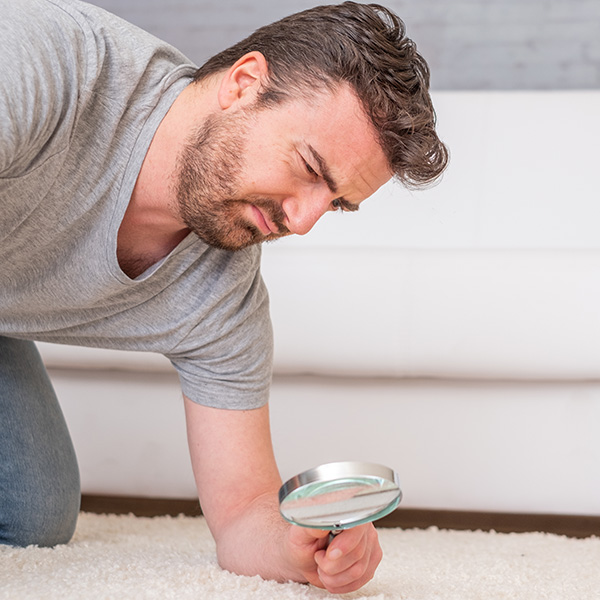
Dust Mites: Small but Mighty
Dust mites are microscopic organisms that thrive in warm, humid environments. They feed on dead skin cells, making bedding, upholstered furniture, and carpets ideal habitats. To minimize dust mite populations, wash bedding weekly in hot water and consider using allergen-proof covers on pillows and mattresses. Regularly vacuum carpets with a HEPA filter and reduce clutter to limit dust accumulation.

Pet Dander: A Furry Concern
For pet lovers, furry friends can be a source of allergens. Pet dander, saliva, and urine can trigger allergic reactions. To minimize exposure, establish pet-free zones, such as bedrooms, and routinely bathe your pets. Using HEPA air purifiers can help capture airborne dander, and frequently vacuuming can significantly reduce allergens in your home.
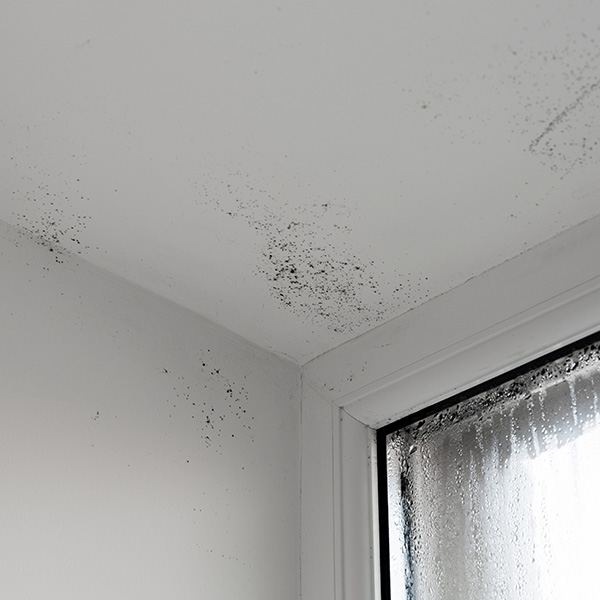
Mold: A Hidden Hazard
Mold thrives in damp, dark environments, often hidden in bathrooms, basements, and behind walls. It can release spores that trigger allergic reactions. To combat mold growth, ensure adequate ventilation in humid areas and fix any leaks promptly. Regularly clean surfaces with mold-inhibiting solutions and monitor indoor humidity levels to keep them below 60%.

Pollen: Outdoor Allergens Indoors
During allergy season, pollen can easily find its way indoors through windows and on clothing. Keeping windows closed during peak pollen times and using air conditioning can help limit pollen exposure. Consider using a humidifier to maintain optimal indoor moisture levels, which can deter pollen from settling in your home.
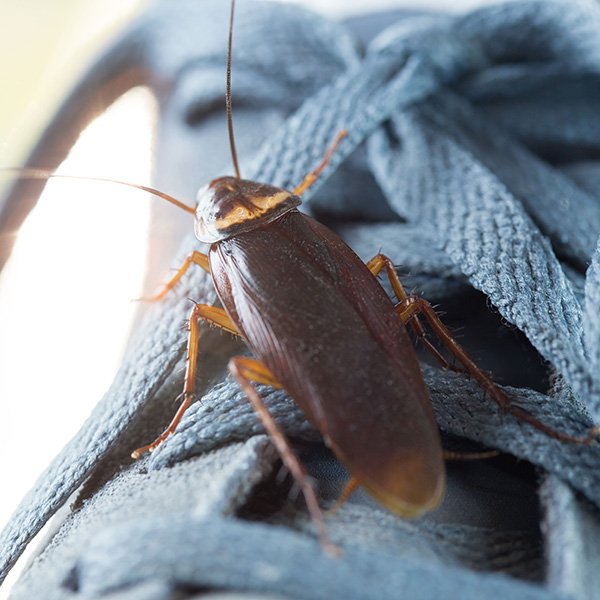
Cockroach Droppings: An Unwelcome Guest
Cockroaches are notorious for causing allergies. Their droppings and shed skin can be potent allergens. To prevent infestations, maintain cleanliness in your kitchen and dining areas. Regularly sweep and mop floors to remove food particles and clutter that may attract them. Seal cracks and crevices in your home and store food in airtight containers. If necessary, seek professional pest control solutions to eliminate cockroach populations effectively.
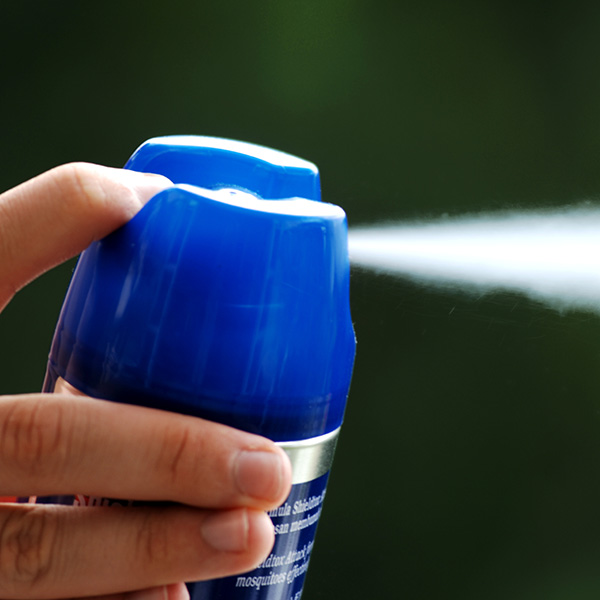
Volatile Organic Compounds (VOCs): Indoor Air Pollutants
VOCs are chemicals found in many household products, including paints, cleaning agents, and air fresheners. Prolonged exposure can lead to respiratory problems and allergic reactions. Opt for natural or green products whenever possible and ensure good ventilation when using chemical products. Keeping indoor plants can also help improve air quality, as some plants effectively filter VOCs.
Reducing indoor allergens is essential for maintaining a healthy living environment. By implementing these simple strategies, you can significantly improve your indoor air quality and enjoy a more comfortable home. For personalized advice or to learn more about managing allergies, contact us today. Let our team of experts at Light E.N.T. help you find effective solutions tailored to your needs!