

Nasal polyps are a common concern for many patients visiting an ENT specialist. These soft, painless growths inside the nasal passages can cause a variety of symptoms and complications if left untreated. At Light ENT, we strive to educate our patients about nasal polyps and provide effective treatment options. Here are four important facts about nasal polyps that everyone should know.
What Are Nasal Polyps?
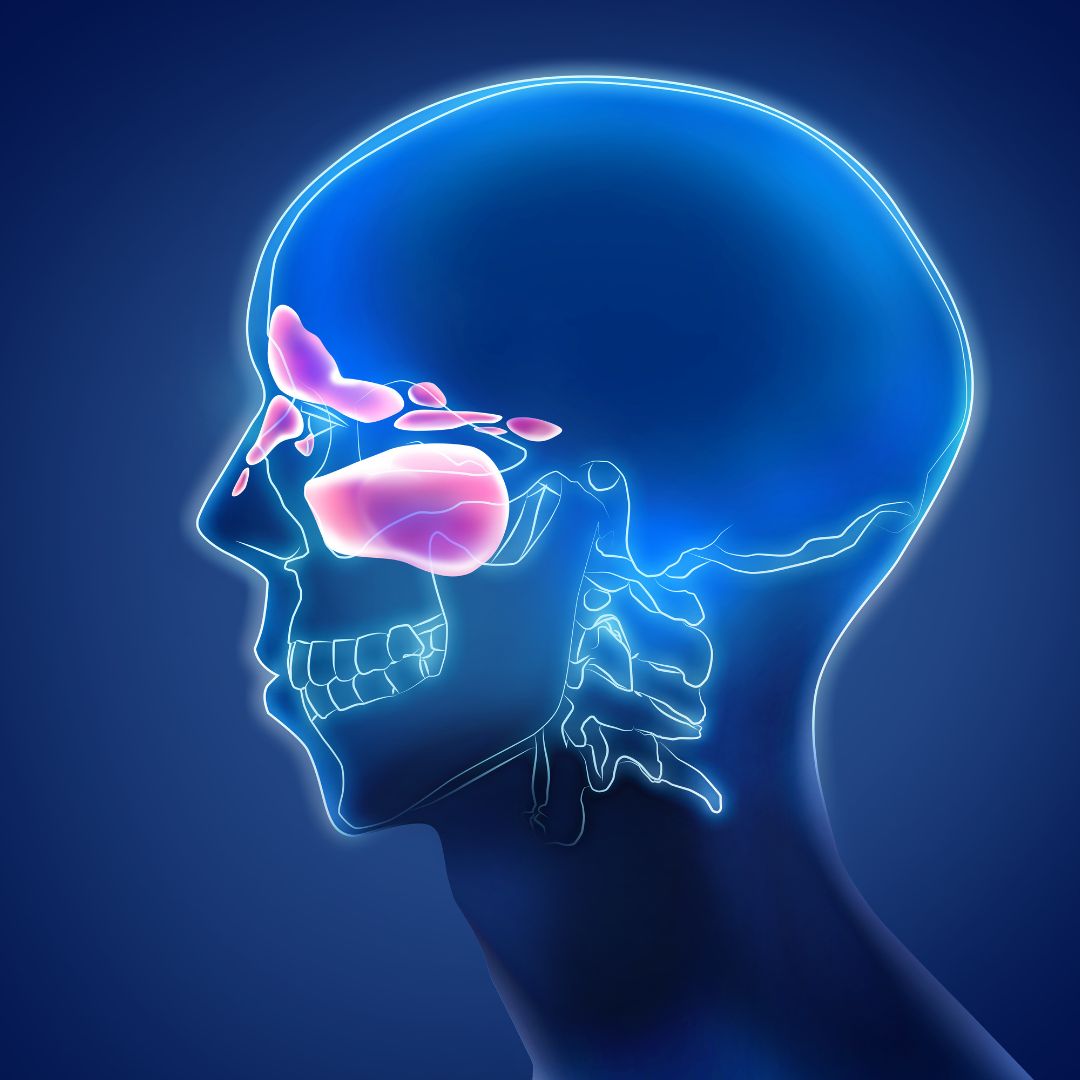
Nasal polyps are noncancerous growths that develop on the lining of your nasal passages or sinuses. They are often associated with inflammation due to allergies, asthma, or chronic sinus infections. Polyps can vary in size and may lead to symptoms such as nasal congestion, loss of smell, and facial pain. Understanding what nasal polyps are is the first step towards managing them effectively.

Causes and Risk Factors
The exact cause of nasal polyps is not entirely understood, but they are often linked to chronic inflammation in the nasal passages. Conditions such as asthma, recurring infections, allergies, and certain immune disorders can increase the risk of developing nasal polyps. Genetic factors may also play a role, as they tend to run in families. Knowing the potential causes and risk factors can help in early detection and prevention.

Symptoms to Watch For
Nasal polyps can cause a range of symptoms that can significantly affect your quality of life. Common symptoms include persistent nasal congestion, runny nose, postnasal drip, and reduced or lost sense of smell. Some people may also experience headaches, snoring, and a feeling of pressure in the forehead or face. If you notice any of these symptoms, it’s essential to consult with an ENT specialist for proper diagnosis and treatment.

Treatment Options
There are several treatment options available for nasal polyps, ranging from medication to surgery. Corticosteroid nasal sprays are often prescribed to reduce inflammation and shrink the polyps. In more severe cases, oral corticosteroids or injectable medications may be used. If these treatments are ineffective, endoscopic sinus surgery might be necessary to remove the polyps and improve breathing. At Light ENT, we tailor treatment plans to meet the specific needs of each patient.
Nasal polyps can be a source of discomfort and inconvenience, but understanding these growths and their symptoms can lead to effective management and relief. At Light ENT, we are dedicated to providing comprehensive care for all your ENT needs. If you suspect you have nasal polyps or are experiencing related symptoms, schedule an appointment with our specialists today. Early diagnosis and treatment are key to maintaining your respiratory health and overall well-being.