

When we think of autoimmune conditions, we often think of their effects on joints, skin, or the thyroid. However, the immune system can also impact our auditory system in very specific ways. At Light E.N.T., we feel it’s crucial to shed light on this lesser-known connection, as early identification is key to preserving hearing.
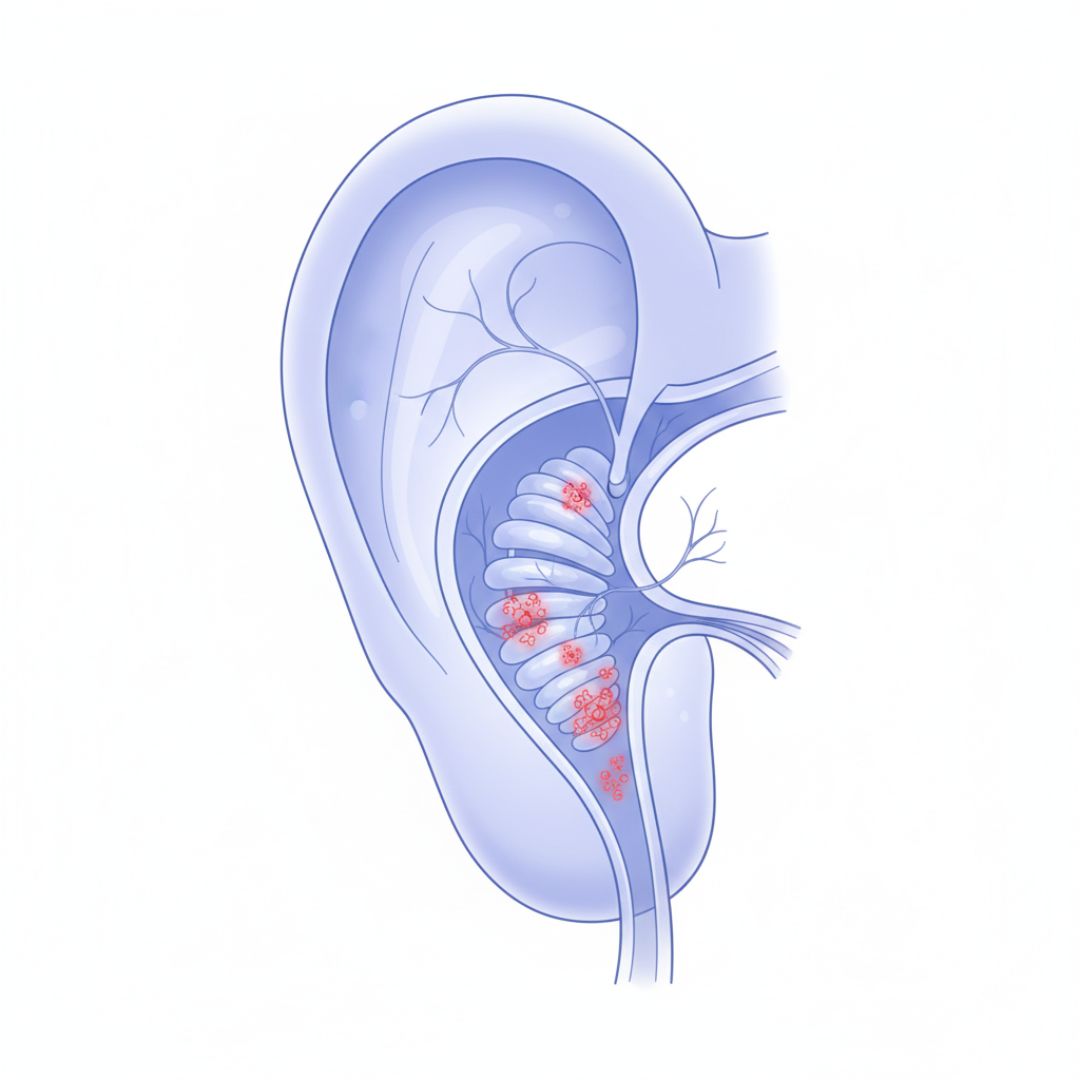
What is Autoimmune Inner Ear Disease (AIED)?
AIED is a specific condition where the body’s immune system mistakenly attacks proteins in the inner ear. This can lead to progressive, often fluctuating, hearing loss that can worsen over weeks or months. Because these symptoms can be complex, a thorough evaluation by a qualified ENT doctor is essential to reach a diagnosis.
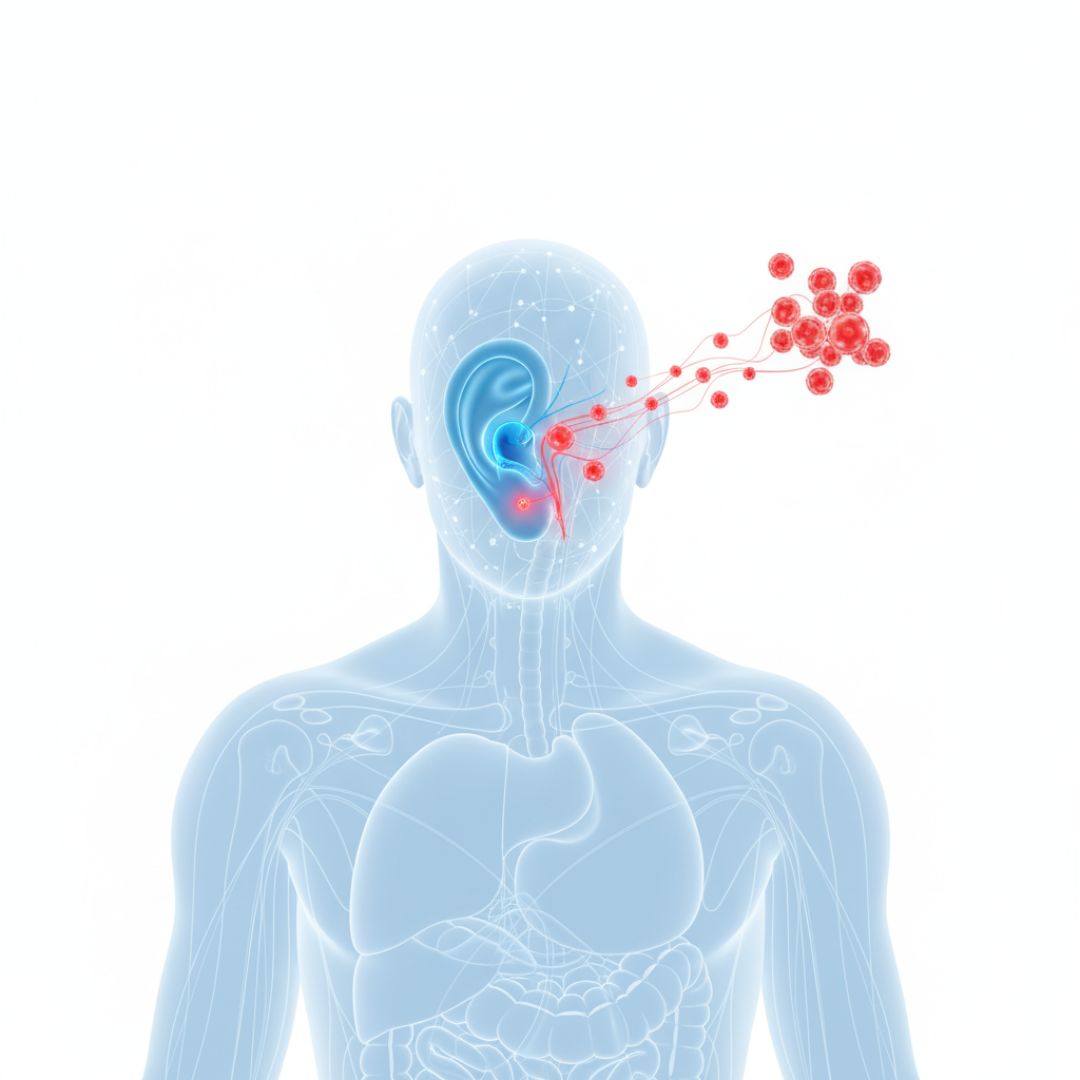
Systemic Conditions and Your Hearing
Beyond AIED, systemic diseases like Rheumatoid Arthritis, Lupus, or Sjögren’s syndrome can cause body-wide inflammation. This inflammation can damage the delicate, tiny blood vessels that supply the inner ear, starving it of oxygen and nutrients. This vascular damage can, in turn, contribute to a new or worsening hearing loss.
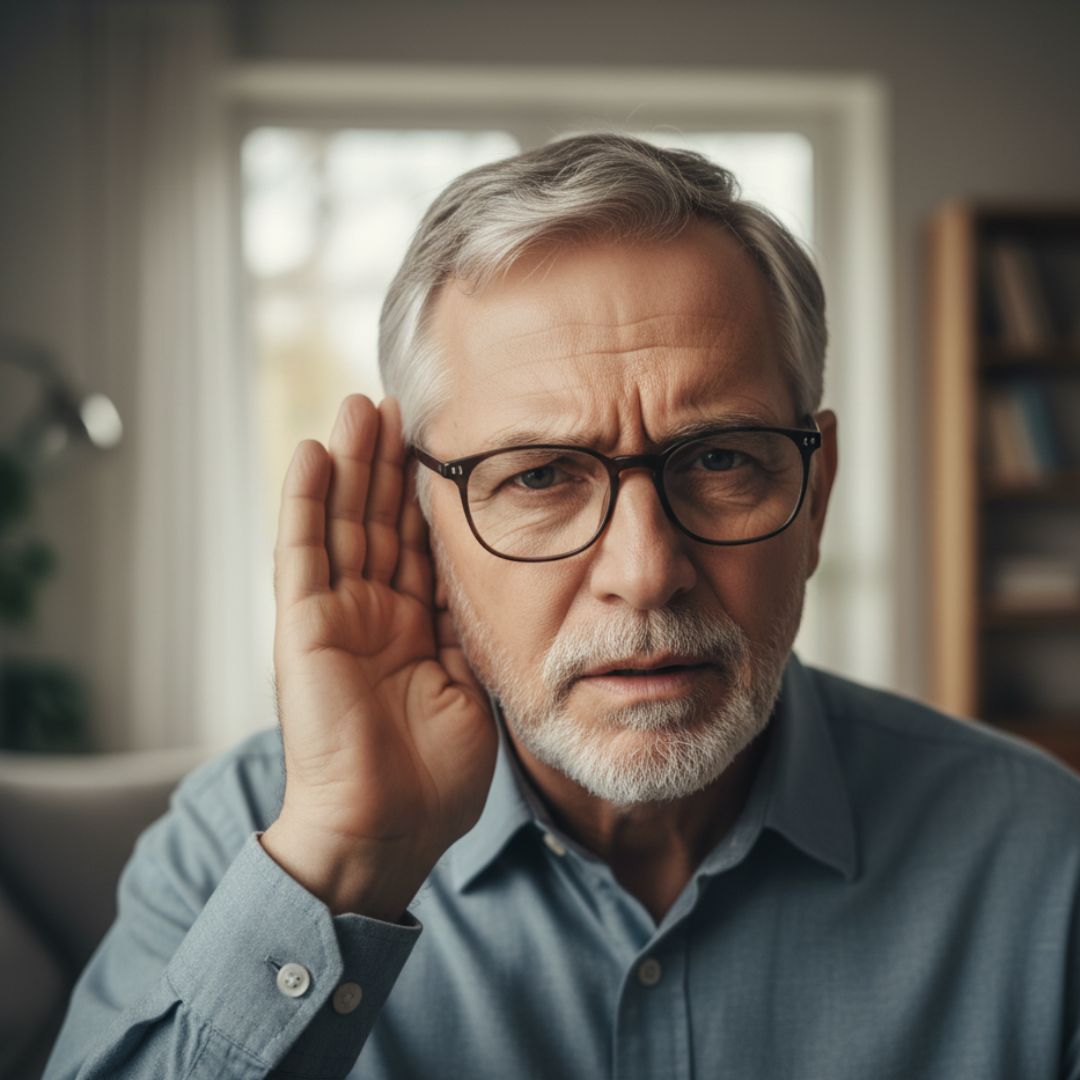
Recognizing the Warning Signs
Symptoms can include a feeling of fullness in the ear, new or worsening tinnitus (ringing), or dizziness. The most telling sign, however, is hearing that fluctuates or declines rapidly. If you have an autoimmune diagnosis and notice these changes, it’s vital to see an ENT specialist immediately to rule out an immune-mediated cause.
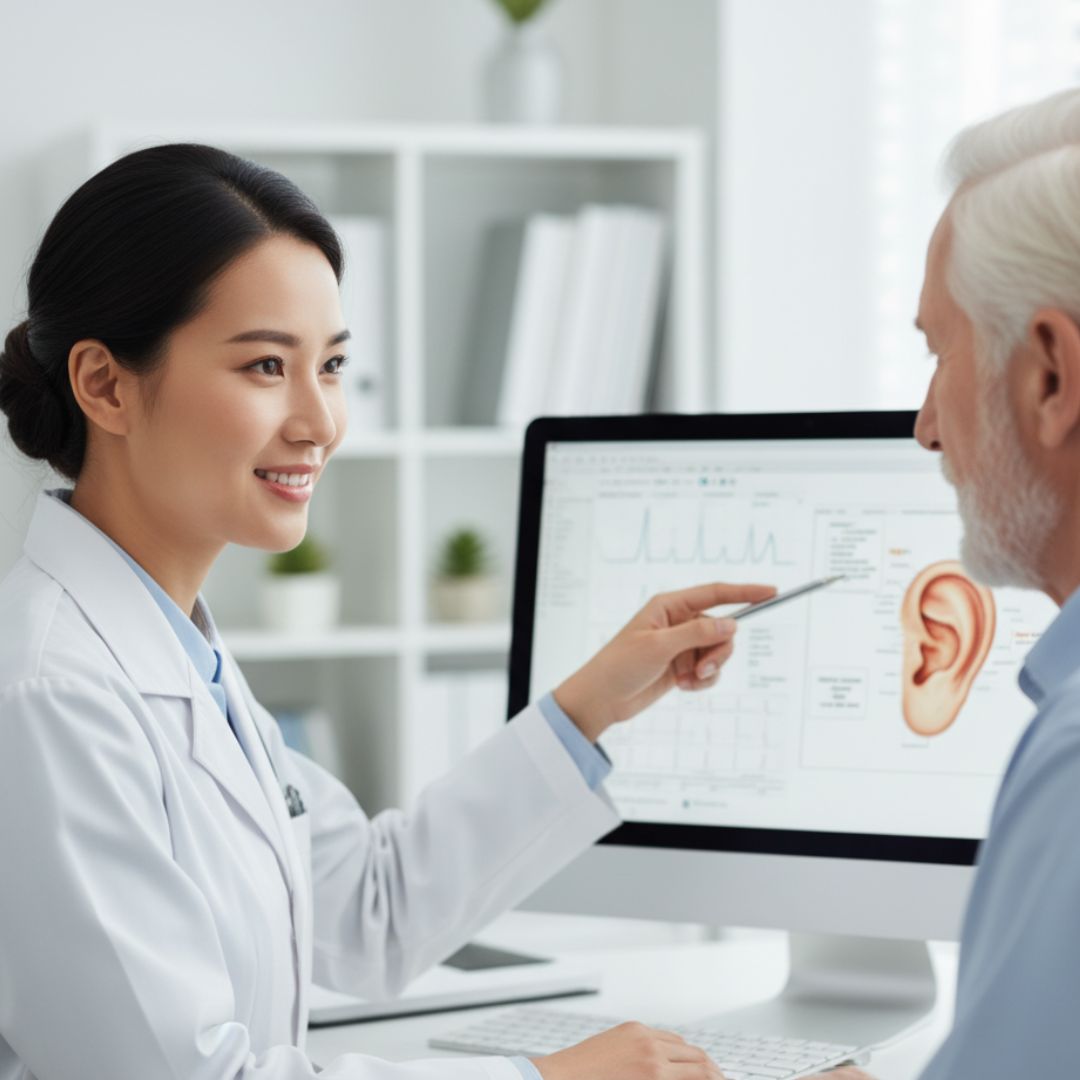
Our Collaborative Management Approach
As your ear nose and throat doctor, we take a comprehensive approach. Diagnosis involves detailed hearing tests and often blood work. We then coordinate with your rheumatologist or primary physician to manage the condition, which may involve corticosteroids or other immunomodulating therapies to help protect and preserve your hearing function.
It’s important to treat your hearing as a vital part of your overall health, especially when managing a chronic condition. If you’re experiencing any sudden or unusual auditory symptoms, our team at Light E.N.T. is here to help. Reach out to our team, and we will provide the expert evaluation you need.
Contact Us